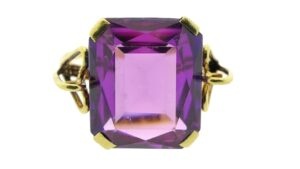
Gemstones
Natural beauty and timeless elegance come together in our extensive gemstone collection. Explore a world of color, meaning, and craftsmanship as you browse our selection of gemstones. Discover the unique characteristics of diamonds, emeralds, sapphires, rubies, and many other fascinating stones. Whether you’re looking for the perfect gemstone for a special piece of jewelry or simply want to learn more about these wonders of nature, our gemstone page offers plenty of information and inspiration.
Aquamarine
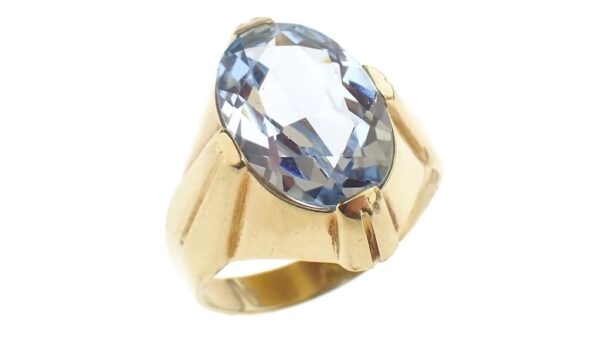
Aquamarine is a clear, hard, and precious gemstone. Its name comes from Latin for “seawater,” which perfectly reflects its beautiful appearance. The crystal-clear, blue, water-like look is unmistakable. Aquamarines are generally relatively small in size.
Amethyst
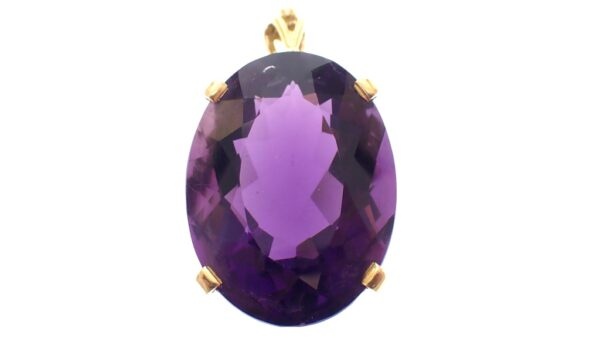
This gemstone radiates a deep purple color. Amethyst has been loved for centuries, both in the past and today.
A fun fact: historically, amethyst was used as a supposed remedy against drunkenness, although its effectiveness is debated.
Agate varieties
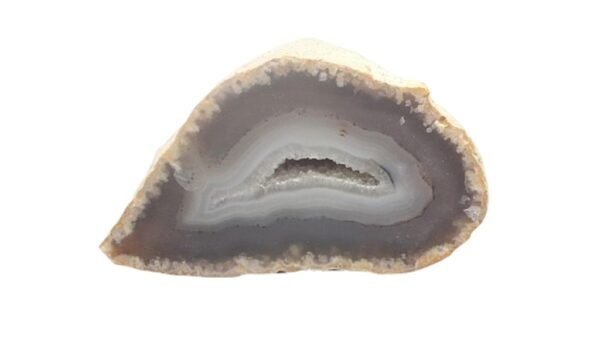
Agate is a well-known gemstone and belongs to the quartz family. It often shows multiple shades of the same color and may sometimes have crystallization in the center. Agate comes in many different colors, but the best-known varieties are orange and gray. Besides jewelry, agate is also used for figurines and decorative objects.
Banded agate
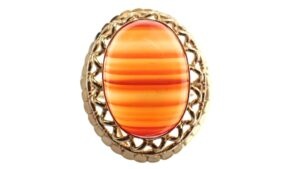
Banded agate is a striped variety of carnelian, which in turn is a form of chalcedony. The stripes (or “bands”) can be in the same shade, but they can also vary in color, such as orange and white. This gemstone is available in many different colors.
Green agate
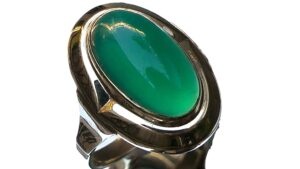
Green agate is usually the result of human intervention, where agate is dyed by immersion in a chromium solution to achieve the distinctive green color. In its natural form, this variety is typically paler.
Moss agate
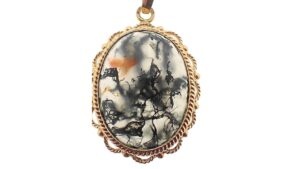
Moss agate is easy to recognize by its characteristic inclusions of hornblende, a mineral that strongly resembles moss. Through oxidation, the stone around these inclusions can develop an orange tint. Despite its name, moss agate is technically not an agate in the scientific sense, although it is naturally formed.
Red coral
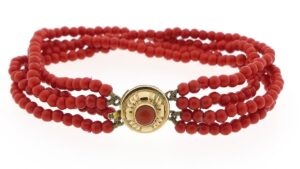
Also known as precious coral, red coral was traditionally harvested in the Mediterranean region. Today, this practice is no longer legal. Red coral was an important part of traditional Dutch dress, especially as clasp jewelry, from the 16th to the 20th century.
Amber
Amber is fossilized resin from conifer trees and ranges in color from golden brown to honey tones. It is generally brittle and often contains many inclusions, from air bubbles, tiny cracks, and plant remnants to occasional insects or pieces of pyrite.
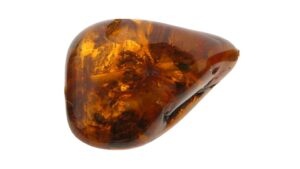
Cameo
A cameo is an ancient technique in which a portrait or image is hand-carved into agate or shell. The carving creates depth and results in a beautiful, realistic depiction. The oldest known cameo dates back more than 2,000 years.
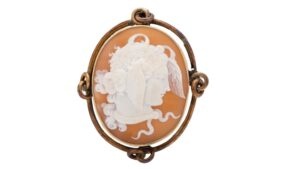
Citrine
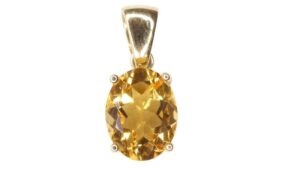
Citrine is a variety of quartz with colors ranging from lemon yellow to golden brown. It has been a popular gemstone for jewelry for centuries, both in the past and today. Citrine is generally clear and contains few inclusions.
In earlier times, citrine was worn because people believed it offered protection against snake venom and negative thoughts.
Carnelian
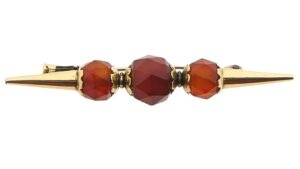
Carnelian is a red gemstone related to agate, sometimes with a slightly milky sheen. The name comes from the Latin word caro, meaning “flesh,” referring to the stone’s color. In the Netherlands, this stone was also known as “kornalijn,” “chalcedony,” or “sarder.”
In the 18th century, it was believed that men who wore a ring with carnelian would be irresistible to women. Would that still hold true today?
Diamond
Diamond is perhaps the best-known and most desired gemstone in the world. Diamonds symbolize eternity because of their exceptional hardness: they are the hardest gemstones, scoring 10 on the Mohs scale. Diamonds are graded on several criteria, including color, clarity, carat weight, and cut quality. When a diamond is very well cut, it displays a spectacular play of sparkle and brilliance. The most sought-after color is D, sometimes referred to as “River.”
What many people don’t know is that diamonds also occur in other colors, including yellow, brown, blue, green, and even black.
Rose cut: Rose-cut diamonds are one of the oldest diamond cutting styles. A modern brilliant-cut diamond has a pointed bottom, but a rose-cut diamond does not: it is flat on the underside. The stone is dome-shaped and faceted.
The name “rose cut” comes from its resemblance to the flower. From the 18th century onward, this cut became less popular, and today the brilliant cut draws more interest because it sparkles more and stands out. Still, the rose cut has seen renewed popularity at different times.
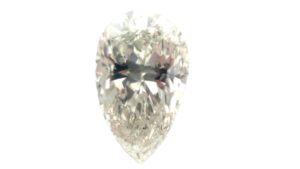
Fluorite
This stone can occur in many colors: white, yellow, orange, pink, brown, green, blue, purple, and transparent. In China it has long been a beloved stone, used to make figurines and everyday objects. It is relatively soft and easy to carve. It is said to protect against witchcraft and dark magic.
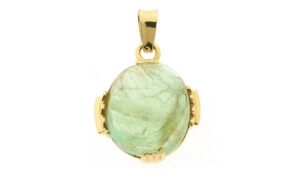
Jet
As the name suggests, jet stones are jet-black with a velvety sheen. Jet is not actually a gemstone but an organic fossil material. Its Latin name is gagates, meaning “black amber.” Sometimes, jet may also contain pyrite inclusions.
In the past, jet was used in mourning jewelry, rosaries, and cameos.
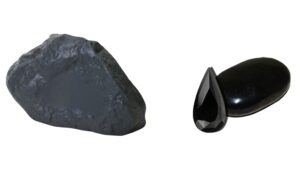
Garnet
Garnet is best known for its deep red color and is found worldwide, especially in India, Madagascar, Mozambique, and Tanzania.
This gemstone has a rich history and was particularly popular in the 1920s. Going even further back, Vikings placed garnets as grave goods, believing they would light the way to Valhalla for the deceased.
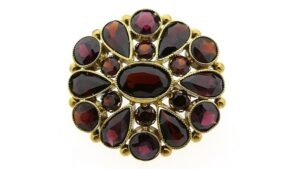
Heliodor
This yellow-green to golden-yellow gemstone belongs to the beryl group. Heliodor comes from the Greek for “gift of the sun.”
A curious fact: the coloring agent in heliodor is uranium oxide, which is radioactive. The radiation is extremely weak and poses no danger.
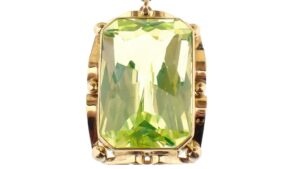
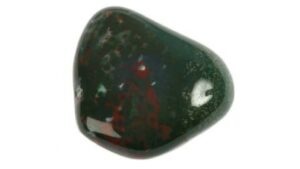
Heliotrope
This is a Greek name meaning “turning toward the sun.” The stone is also known as bloodstone, because of the red droplets that run through the dark green stone.
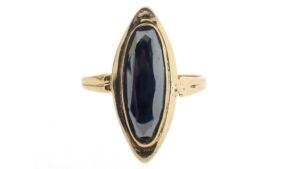
Hematite
Hematite is a mineral found worldwide, including locations in Germany such as the area around the Lahn River. Hematite is a fairly heavy black stone with a silvery to iron-like sheen. Like iron, hematite can rust when it comes into contact with moisture.
Ivory
Harvesting ivory is illegal because of the unnecessary suffering countless animals have endured. Ivory is obtained from elephant tusks and the teeth of other animals.
We do not sell new ivory.

Jade
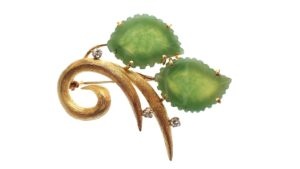
Jade is a world-famous stone, with green being the most sought-after color. Jade almost always shows speckling and was used long ago to make weapons and tools. It plays an important role in religion and art in Asia, especially in China. Jade belongs to the nephrite family and is difficult to distinguish. It is slightly more brittle and therefore more valuable.
Labradorite
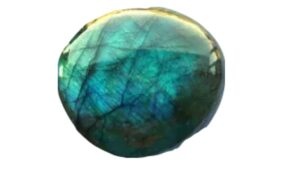
This stone has a dark gray to black base with a metallic play of color that usually shows blue or green tones. This striking effect is known as “labradorescence.” The stone was first discovered on Canada’s Labrador Peninsula in 1770.
Layered stone
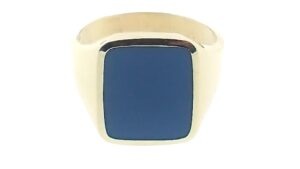
Layered stone, as the name suggests, consists of multiple layers and is often used in signet rings. The stone is darker at the bottom and gradually becomes lighter toward the top.
An interesting aspect of layered stones is that they can be engraved by a specialist, creating a beautiful effect thanks to the different layers. Engraving family crests is a popular use for layered stones.
Lapis Lazuli
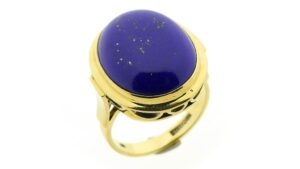
Lapis lazuli is an Arabic-Latin term for “blue stone,” and it is especially known for its deep blue color. Interesting to know: some stones contain tiny gold-colored specks, which are actually pyrite. It’s important to note that lapis lazuli is sensitive to high temperatures, hot water, acids, and soap.
Ancient Egyptians considered this stone sacred because of its deep blue color and golden pyrite particles, associating it with the starry sky. They used ground lapis lazuli as a pigment for paint and make-up.
Moonstone
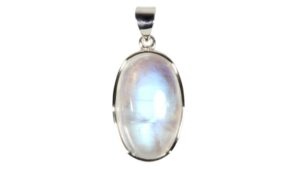
Moonstone owes its name to the bluish-white sheen it radiates. This stone shows a subtle cat’s-eye effect.
Since antiquity, moonstone has been cut and used as a gemstone for jewelry. Romans believed moonstone was formed from solidified moonbeams, which is why they admired it.
Malachite
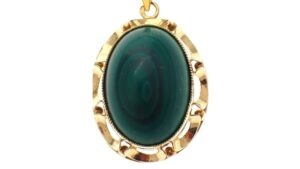
Malachite is a mineral used as a gemstone and is characterized by many bands in different shades of green, creating a beautiful pattern. Keep in mind that malachite is sensitive to heat, acids, and ammonia. It’s advisable to remove malachite jewelry before washing. Millennia ago, malachite was used in Egypt to create cameos, amulets, and even make-up.
Marcasite
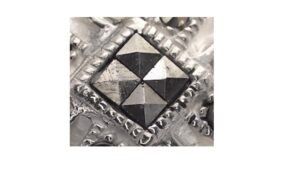
Marcasite belongs to the pyrite family. It is sometimes confused with pyrite, but marcasite has a more grayish metallic color, whereas pyrite is more golden. Marcasite was mainly used in jewelry in the past, but it is rarely seen in modern pieces.
Historically it was also used as a mirror, and even earlier it was used to help make fire with flint.
Moissanite
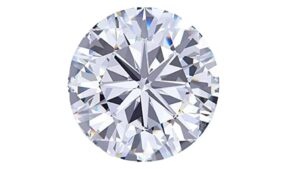
Moissanite, also known as lab-created diamonds, shares many properties with diamonds but is created in a laboratory. Moissanite is available in clear white, black, and various other colors. Its price is significantly lower than that of natural diamonds. Without the right test equipment and expertise, moissanite is difficult to distinguish from a real diamond, as they have scientifically similar characteristics.
Onyx
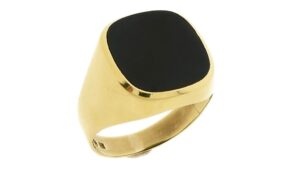
This gemstone occurs in white, various shades of brown, and deep black, and is cut from solid pieces of layered stone. Onyx has been extremely popular for centuries and is widely used in jewelry and decorative objects.
Opal varieties
Opal is an intriguing gemstone with several varieties. Precious opal is known for its brilliant colors and opalescence, while triplet opal consists of three layers, with precious opal in the middle, backed by onyx and protected by rock crystal. Fire opal shows intense colors such as red, orange, or yellow, giving it a fiery appearance. Although it often doesn’t display the same opalescence as precious opal, it has a charm all its own.
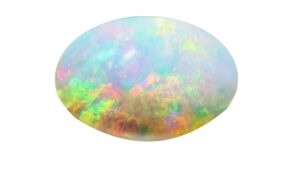
Precious opal
Opal, also called precious opal, is special because of its unique “opalescence” – the rainbow-like shimmer that changes depending on the viewing angle.
Precious opal is sensitive to pressure, impacts, acids, and alkalis. If the stone becomes dull or shows light scratches, you can leave it to soak overnight in a small bath of oil or water.
In the past, people believed opal could warn of illness, and later observations suggest the stone can indeed become dull when you have a fever.
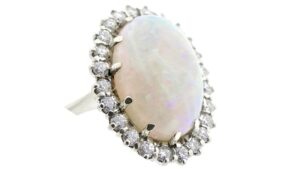
Triplet opal
A triplet opal means that only the middle layer is actually precious opal. The base is usually onyx, while the top is covered with a layer of rock crystal for protection.
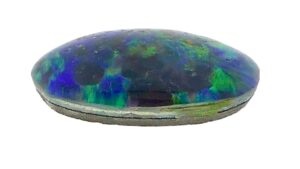
Fire opal
The name “fire opal” comes from the intense, fiery colors this stone can show, ranging from red and orange to slightly yellowish tones. What’s notable is that this opal does not display the characteristic “opalescence” typical of precious opals.
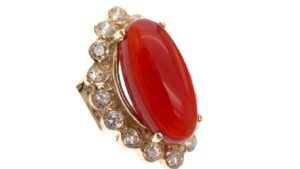
Pearl varieties
Baroque pearls are irregular in shape, while cultured pearls are created with precision. Mother-of-pearl is the lustrous material on the inside of shells, and Tahitian pearls shine in dark, mysterious tones. Each pearl has its own unique charm.
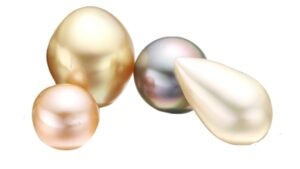
Baroque pearl
A pearl forms mainly in an oyster when a grain of sand or another tiny particle enters the shell. The inside of the shell is lined with mother-of-pearl. Over many years, the particle gathers more and more layers of nacre until a pearl forms. The term “baroque” refers to the irregular shape of such pearls.
Pearls are sensitive to cosmetics, hairspray, and very dry conditions. They stay most beautiful when worn regularly.
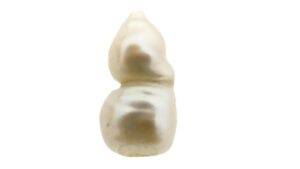
Cultured pearl
These pearls form more quickly with a little human help. Instead of waiting for a naturally occurring particle, pearl farmers insert a small bead into the shell. In response, the oyster gradually creates layers of nacre around the bead. Around 90% of all pearls traded are cultured pearls.
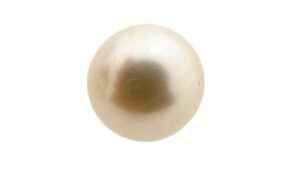
Mother-of-pearl
This refers to the inner layer of mollusk shells. Certain shells, such as oysters, are especially valued for their mother-of-pearl: the shiny layer used for jewelry and decorative objects.
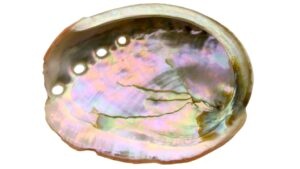
Tahitian pearls
These beautiful, deeply colored pearls are found or cultivated in Tahiti, in the black-lipped oyster. Pearl formation begins when a grain of sand or another small particle enters the shell. The inside of the shell is lined with dark nacre, and over the years, more layers of nacre form around the particle until the familiar round pearl develops.
Tahitian pearls can show a range of colors, from dark blue and gray to green. They are known for an almost metallic luster, sometimes with a striking play of color.
Pearls are sensitive to cosmetics, hairspray, and excessive dryness. They keep their beauty best when worn regularly.
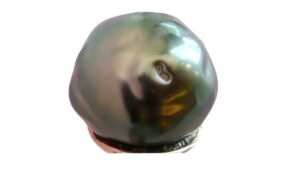
Peridot
This gemstone ranges from olive green to yellow-green. Peridot, once confused with emerald, enjoyed enormous popularity in the past. During the Baroque period, peridot was even seen as a symbol of love.
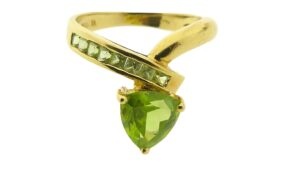
Ruby
Rubies are known for their distinctive “ruby red” color, which can appear in several shades of red. Pigeon-blood red is considered the most valuable. Remarkably, large rubies are even rarer than diamonds of comparable size.
Rubies often contain inclusions. These do not reduce their quality; instead, they serve as an authentic feature that helps distinguish natural rubies from synthetic ones. These inclusions can consist of minerals, tiny channels, and cavities, depending on the stone’s origin.
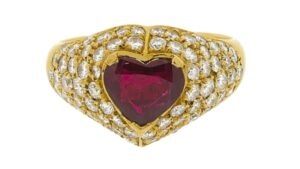
Smoky quartz
Part of the quartz family and named for its smoky color, smoky quartz is an intriguing gemstone. In Roman times, this stone was worn in jewelry during periods of mourning. People believed smoky quartz brought new energy, courage, and joy for life in difficult times.
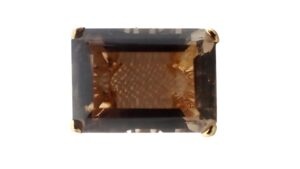
Rose quartz
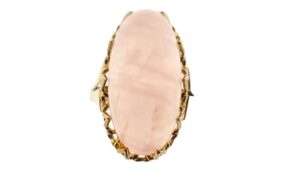
This stone takes its name from its characteristic color. It typically shows a slight cloudiness and internal fractures. This soft pink gemstone is widely loved and often used in jewelry and decorative objects.
Sapphire
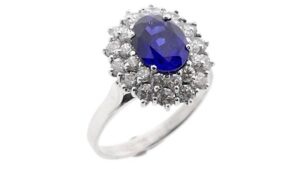
Sapphire belongs to the select group of the world’s hardest stones, together with diamond and ruby. Sapphire is most commonly deep blue, but you may also find varieties in yellow, violet, green, orange, or black.
Sapphire has a rich history in different cultures, ranging from embellishments on clothing in India to uses in medieval witchcraft.
Emerald
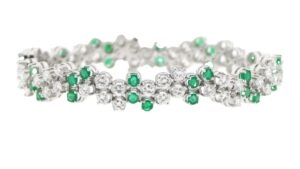
The name “emerald” comes from the Greek Smaragdos, meaning “green stone.” Its color is so distinctive that it is often described as “emerald green.” A perfectly clear emerald is only found in the very finest qualities.
In general, emeralds often show some cloudiness and inclusions such as gas bubbles and growth lines. This is not considered a flaw or a reduction in value, but rather a sign of authenticity. For emeralds, color is the most important factor, with a deep green hue being the most sought-after.
Sodalite
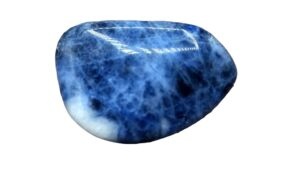
The name of this deep blue stone comes from its high sodium content. The stone often shows white calcite veins running through it. It resembles lapis lazuli and, like lapis lazuli, can contain inclusions of pyrite that look like tiny gold flakes.
Spinel
Spinel is difficult to distinguish from ruby, and less than 200 years ago this beautiful stone was often mistaken for ruby and was not considered a separate gemstone. Nevertheless, spinel is an exceptionally hard gemstone.
The most loved color for spinel is often pink or red, but blue spinel is also highly valued.
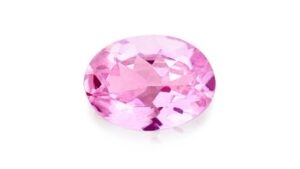
Tiger’s eye
This striking brown stone shows an almost golden band of light that seems to move across the surface, reminiscent of the eye of a feline animal such as a tiger. This effect is known as chatoyancy, or the cat’s-eye effect.
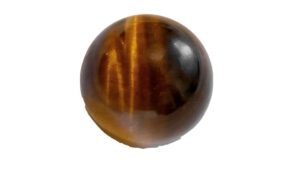
Topaz
Topaz is a vibrant gemstone and is generally clear in appearance. Although topaz occurs in many colors, blue is the most common. This stone is also exceptionally hard and durable.
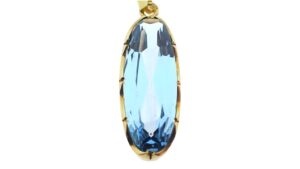
Tourmaline
Tourmaline is unmatched when it comes to color variety. In larger pieces, it often shows a beautiful gradient of multiple colors. Although each color officially has its own name and is considered a separate variety, today we often simply use the color name.
Green tourmaline is called “verdelite,” blue tourmaline is “indicolite.” There is also a pink variety called “rubellite” and a brown variety called “dravite.”
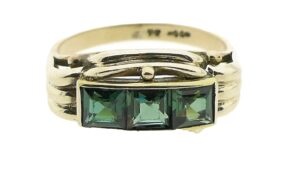
Turquoise
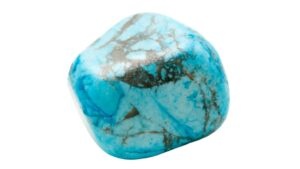
Also known as turquoise, this stone owes its name to the fact that the historic trade route ran through Turkey, where it was called the “Turkish stone.” Turquoise is mainly found in Eastern countries. It often shows a sky-blue to apple-green color, with brown and/or black spots and sometimes a white line. This makes turquoise a much-loved stone in jewelry.
Cubic zirconia
This stone is man-made and closely resembles diamond and crystal, even to the naked eye. Because it is synthetic, it is usually crystal clear, unlike many natural gemstones. It can also be produced in almost any desired color. The brilliance of this stone can vary greatly depending on the quality of the cut.
Synthetic gemstones
Synthetic gemstones are often mistakenly associated with glass, but that is not the case. Creating synthetic gemstones is a complex process and not something done lightly. Different methods are used, such as using aluminum oxide powder and an oxyhydrogen flame that can reach temperatures of up to 2000°C. This method builds a crystal structure drop by drop. Remarkably, the hardness of synthetic gemstones can come close to natural stones such as sapphire or ruby.
Producing stones synthetically has both advantages and disadvantages. The downside is that synthetic stones have not been naturally formed over centuries, and therefore are generally less valuable. The advantage is that stones like diamond, ruby, and sapphire are rare and not always sourced ethically, despite today’s strict regulations. Synthetic stones offer an alternative because they often share the same properties as their natural counterparts and are difficult to distinguish in appearance. And despite the complex manufacturing process, synthetic stones are usually much more affordable.